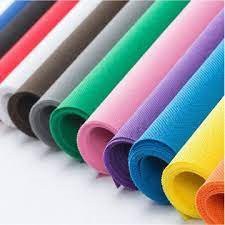
What are PP Nonwoven Fabrics?
PP nonwoven fabrics, also known as polypropylene nonwoven fabrics, are nonwoven materials made from thermoplastic polypropylene fibers. Nonwoven fabrics are manufactured by bonding or interlocking the fibers together using various techniques such as needle punching, spunbonding, or meltblowing. PP nonwoven fabrics are known for their high tensile strength, durability, and versatility, making them a popular choice for various industries such as agriculture, automotive, construction, medical, and hygiene. It is widely used in a variety of products such as bags, packaging, filters, geotextiles, protective clothing, medical masks, and wipes.
What are the types of PP nonwoven fabrics?
There are several types of PP nonwoven fabrics, each with its own unique properties and applications. Some common types of PP nonwoven fabrics include:
1. Spunbond nonwoven fabric: This is a lightweight, strong, and soft fabric made by bonding polypropylene fibers through heat and pressure. Spunbond nonwoven fabrics are often used in medical and hygiene products, as well as in the agricultural, construction, and automotive industries.
2. Meltblown nonwoven fabric: This is a fine fabric made by melting and blowing polypropylene fibers at high temperatures. Meltblown nonwovens have excellent filtering properties and are suitable for masks, air filters, and other filtering applications.
3.SMS nonwovens: This is a composite fabric made of spunbond nonwovens and meltblown nonwovens. SMS nonwovens are strong and durable, and have excellent barrier properties to liquids and airborne particles. It is often used in medical and hygiene products as well as protective clothing and packaging materials.
4. Needle-punched nonwovens: This is a nonwoven fabric made by mechanically interlocking fibers using needles. Needle-punched nonwovens have good insulation and sound insulation properties and are suitable for home textiles, furniture, and automotive applications.
5. Stitched nonwovens: This is a nonwoven fabric made by mechanically bonding fibers together using stitching technology. Stitched nonwovens are strong and durable, have good drape, and are suitable for home textiles, clothing, and interior decoration.
Is pp nonwovens environmentally friendly? Biodegradable or recyclable?
PP nonwovens are not biodegradable, but they are recyclable. Most PP nonwovens are made of polypropylene, which is a thermoplastic polymer. Therefore, they do not naturally decompose in the environment and may take hundreds of years to decompose.
However, PP nonwovens are recyclable, and the recycling process can reduce the environmental impact of this material. The recycling process involves melting down the PP nonwovens and reusing them to make new products. Recycling PP nonwovens helps save natural resources and reduce waste.
In addition, some manufacturers are developing new technologies and processes to make PP nonwovens more sustainable and environmentally friendly. For example, some companies are using biodegradable additives or creating new nonwovens made from natural fibers or recycled materials.
Overall, while PP nonwovens are not biodegradable, they are recyclable, and people are working to develop more sustainable and environmentally friendly alternatives.
Is polypropylene nonwoven breathable?
Yes, polypropylene nonwovens are breathable. Breathability is one of the main properties of nonwovens, including polypropylene nonwovens. This means that air and moisture can pass through the fabric, allowing ventilation and preventing heat and moisture buildup.
The breathability of polypropylene nonwovens makes it a popular choice for products that require breathability and moisture management, such as hygiene products, medical supplies, and protective clothing. For example, medical masks made from polypropylene nonwovens are breathable, allowing the wearer to breathe comfortably while providing protection from airborne particles.
Is polypropylene spunbond nonwoven waterproof?
While it is not completely waterproof, polypropylene spunbond nonwovens do have some water-repellent properties. This means that while it can be waterproof to a certain extent, it is not completely impermeable. Its water-repellent properties make it a suitable material for a variety of applications that require a certain degree of waterproofing.
The water-repellent properties of polypropylene spunbond nonwovens stem from the way they are made. The fabric is made by bonding polypropylene fibers using heat and pressure, resulting in a dense and strong material. The bonding process also creates small gaps between the fibers, allowing air and water vapor to pass through while blocking water droplets from passing through.
Polypropylene spunbond nonwovens are often used for products that require a certain degree of waterproofing, such as disposable medical gowns, hygiene products, and agricultural covers. However, it is not suitable for products that require complete waterproofing, such as raincoats or outdoor gear.
What are the best properties of polypropylene nonwovens?
Polypropylene nonwovens have a variety of properties that make them a popular choice for a variety of applications. Some of the best features of polypropylene nonwovens include:
1. Strength and durability: Polypropylene nonwovens are known for their high tensile strength and durability, which makes them suitable for heavy-duty applications.
2. Lightweight: Polypropylene nonwovens are lightweight and easy to handle and transport.
3. Waterproof: Polypropylene nonwovens are water-resistant, making them suitable for products that need to be protected from moisture.
4. Breathable: Polypropylene nonwovens are breathable, allowing air to pass through. This property makes them suitable for products that require ventilation.
5. Chemical resistance: Polypropylene nonwovens are resistant to a wide range of chemicals, making them suitable for products that require chemical protection.
6. Cost-effective: Polypropylene nonwovens are a cost-effective alternative to other materials, making them a popular choice across industries.
What are the best applications for polypropylene nonwovens?
Polypropylene nonwovens are a versatile material with a wide range of applications. The versatility and wide range of properties of this fabric make them suitable for many different industries and products. Some of the best applications for polypropylene nonwovens include:
1. Hygiene products: Polypropylene nonwovens are often used in hygiene products such as baby diapers, feminine hygiene products, and adult incontinence products. The softness, breathability, and water resistance of the fabric make it an ideal material for these applications.
2. Medical supplies: Polypropylene nonwovens are also used in medical supplies such as surgical gowns, masks, and drapes. The fabric's strength, durability, and ability to repel liquids make it suitable for use in sterile environments.
3. Agriculture: Polypropylene nonwovens are used in agriculture for crop covering, weed control, and erosion prevention. The fabric's strength and durability make it suitable for use in outdoor environments.
4. Packaging: Polypropylene nonwovens are also used in packaging applications such as shopping bags, gift bags, and promotional items. The fabric's versatility and printability make it an ideal material for these applications.
5. Home textiles: Polypropylene nonwovens are used in home textiles such as bedding, furniture, and curtains. The fabric is soft, durable, and water-resistant, making it ideal for these uses.
6. Automotive: Polypropylene nonwovens are used in automotive applications such as car interiors, floor mats, and insulation. The fabric's strength, durability, and sound-absorbing properties make it suitable for use in these applications.